

Why Your AC Ices Up in Sizzling Michigan Summer Weather
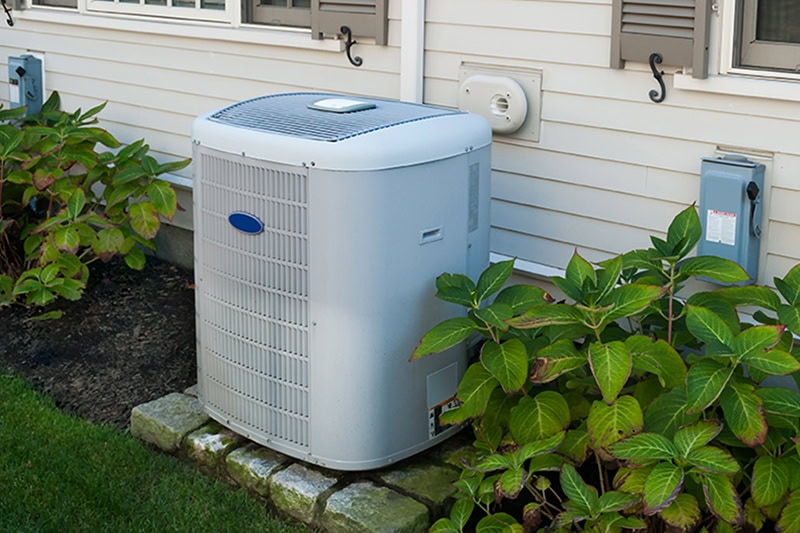
Even when the sidewalk is hot enough to fry eggs in Southeast Michigan, your air conditioner can freeze up like an ice cube tray.
If it does, you’ll feel barely a trickle of lukewarm air blowing from your air vents.
Icy HVAC may seem like a prank or a joke, but at Harriman Heating & Air Conditioning, we can assure you it is a fairly common reaction to a stressed cooling system in homes throughout Wayne and Oakland counties.
However, there’s no need to panic. Our team at Harriman Heating & Air Conditioning works with homeowners in Farmington Hills, MI, and neighboring suburbs to prevent and repair frozen components.
Let’s look at the science behind this odd combination of ice formations and summer heat and learn what to watch for.
Which AC Part Can Freeze?
When an air conditioner freezes, the ice almost always forms on the indoor evaporator coil, the component that absorbs heat from your home. This coil typically lives in a case or cabinet near your furnace or inside an air handler if you don’t own a furnace.
If you looked inside the cabinet, you’d see a layer of ice over the coil. If not, you may be unaware that the lukewarm air you feel from your vents is linked to a frozen AC unit.
The freeze doesn’t always stay contained with the evaporator coil. If your AC continues to run, the ice can physically travel down the copper refrigerant lines to the outdoor condenser unit, encasing the exterior valves and copper pipes in ice.
How can an air conditioner freeze on a humid, hot day in Metro Detroit? We can point fingers at two potential culprits: restricted airflow and refrigerant leaks.
How Can an AC Unit Freeze in the Heat?
To understand why this happens, let’s review how an air conditioner works. As warm air from your Farmington Hills, MI, home blows across the indoor evaporator coil, the refrigerant in the coil absorbs the heat and moves it outdoors, leaving the coil and the air flowing over it incredibly cold.
If something disrupts this process, the coil temperature drops below 32°F, causing moisture in the air to instantly freeze on contact.
Restricted Airflow Can Cause Your AC Unit to Freeze
Your AC needs a constant stream of warm household air moving across the indoor coil to keep it from getting too cold.
If your air filter is heavily clogged, air vents are closed, or the blower motor is faulty, the warm air that flows over the evaporator coil is blocked. Without that warm air to absorb, the refrigerant inside the coil gets increasingly colder.
The condensation that naturally forms on the coil drops below freezing, turning into ice. As the ice builds, it blocks even more air, creating a snowball effect.
A dirty evaporator coil can also cause icing. Dust insulates the coil and restricts airflow.
Low Refrigerant Can Cause Your AC Unit to Freeze
When your air conditioning system develops a refrigerant leak and the pressure drops, the remaining refrigerant expands too much.
This rapid expansion causes the refrigerant’s temperature inside the copper lines to drop below freezing. As a result, the evaporator coil’s temperature drops below 32 degrees, and the coil rapidly glazes over with ice.
Signs Your AC is Freezing Up
You don’t have to wait until ice encases your air conditioner’s refrigerant lines and outdoor unit to realize something is wrong. Watch out for these early warning signs:
Lukewarm Air: The air exiting your registers feels weak and at room temperature, even though the thermostat says 72°F.
Hissing Sound: You may notice a hissing or bubbling sound near your indoor unit.
Unusual Moisture: Look for a pool of water forming around the base of your indoor HVAC unit or utility closet on a hot day.
DIY and Pro Fixes for a Frozen Air Conditioner
If you suspect your system is icing over, turn the system completely off at the thermostat, and switch the fan from Auto to On. The cooling cycle will stop, but the fan will keep running to push warm air over the icy coil, helping it melt.
Don’t try to scrape ice off the coil. Its fins are delicate and puncture easily. You want to avoid turning a minor repair into an expensive component replacement.
While the system is thawing, check your air filter. If it looks dusty, replace it immediately. If a dirty filter was the sole cause, replacing it and letting the system completely thaw for a few hours might solve the problem.
If your filter is clean and the system freezes after thawing, it’s time for professional assistance.
Our technicians at Harriman Heating & Air Conditioning have the advanced diagnostic tools to safely test your system’s internal pressures, find hidden refrigerant leaks, repair copper lines, and recharge your system to factory specifications.
Prevent AC Icing with a Tune-Up
An annual professional tune-up is your best insurance policy against restricted airflow, refrigerant leaks, and frozen AC coils.
During a seasonal maintenance visit, our team thoroughly inspects your indoor and outdoor units, tests the performance of your blower motor, lubricates moving parts, tightens electrical connections, and checks your refrigerant level.
If your AC is struggling to keep up with the summer heat, schedule a tune-up with us at Harriman Heating & Air Conditioning.
Our experienced team is ready to resolve any issues and keep your Farmington Hills, MI, home comfortable. Call us at 734-271-6200 or request service online.
